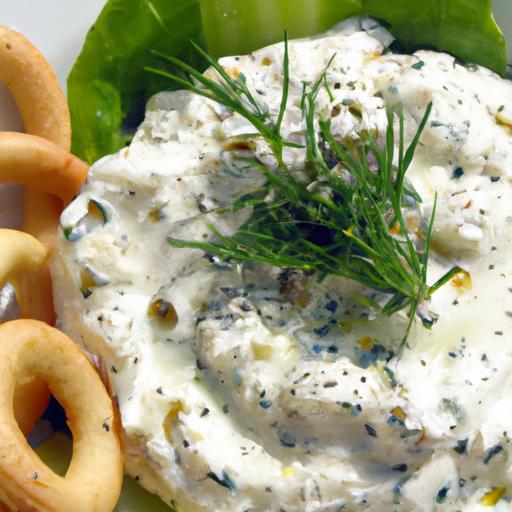
Imagine a sauce so versatile, so refreshing, and so utterly delicious that it can elevate almost any meal from ordinary to extraordinary. That’s the magic of tzatziki! This creamy, tangy cucumber-yogurt concoction is a cornerstone of Greek cuisine, famed for its ability to cut through richness, add a burst of fresh flavor, and tie diverse ingredients together with a harmonious zest. Forget bland condiments; learning how to master a top-rated tzatziki sauce recipe at home means unlocking a world of culinary possibilities that extend far beyond your average dip.
For many, the first encounter with tzatziki is often alongside a sizzling gyro or within a vibrant Greek salad. But this easy-to-make sauce has an irresistible allure that makes it a perennial favorite. We're here to guide you through crafting restaurant-worthy tzatziki in your own kitchen, ensuring you'll return to this authentic Greek tzatziki recipe again and again. Get ready to discover why this simple blend of fresh ingredients is a true culinary game-changer.
What is Tzatziki? The Heart of Greek Cuisine
At its core, tzatziki (pronounced "tuh-zee-kee") is a refreshing dip or sauce made from strained yogurt, cucumber, garlic, and often a touch of olive oil, vinegar, and fresh herbs like dill or mint. It's a staple across Greece and the wider Mediterranean, where its cooling properties are particularly welcome in warmer climates. The rich, creamy texture combined with a vibrant tang and a subtle garlicky kick makes it uniquely satisfying.
More than just a condiment, tzatziki embodies the spirit of Greek hospitality and fresh, simple ingredients. It’s served in traditional wraps like gyros and souvlaki, accompanies grilled meats and vegetables, and shines as a simple dip for pita bread or a fresh crudité platter. The beauty of a good tzatziki sauce recipe lies in its ability to balance robust flavors while adding a bright, zesty counterpoint. It's a sauce that brings people together, inviting sharing and savoring every delightful spoonful.
Crafting the Perfect Tzatziki Sauce Recipe: Key Ingredients & Techniques
While making tzatziki is remarkably quick – often taking 10 minutes or less of active prep time – the secret to truly outstanding results lies in understanding your ingredients and a few crucial techniques. Here’s a breakdown of what you'll need and how to bring them together for a flawless homemade tzatziki.
The Foundation: Choosing Your Yogurt
- Greek Yogurt is Non-Negotiable: The heart of any great tzatziki sauce recipe is strained yogurt. Full-fat Greek yogurt is the most common and accessible choice in most parts of the world. Its thick, creamy consistency and inherent tang provide the perfect base. Traditionally, tzatziki is made with strained sheep or goat's milk yogurt, which offers an even richer, earthier flavor profile.
- Why Full-Fat Matters: While you can use lower-fat Greek yogurt, full-fat versions offer a superior texture and richer flavor, contributing to that coveted restaurant-quality creaminess.
- Straining Regular Yogurt (If Needed): If Greek yogurt isn't available, you can strain regular plain yogurt overnight in a cheesecloth-lined sieve set over a bowl. This process removes excess whey, resulting in a thicker, more concentrated yogurt perfect for tzatziki.
The Refreshing Crunch: Cucumber Preparation
- Grating is Key: Cucumbers provide the signature freshness and a subtle crunch. For the best texture, grate your cucumber using the large holes of a box grater. English or hothouse cucumbers are often preferred as they have fewer seeds and thinner skins, though regular cucumbers work well too (you might just want to scoop out some of the seeds if they're very large).
- The Crucial Step: Squeezing Out Water: This is arguably the most vital step in any tzatziki sauce recipe! Cucumbers are mostly water, and if you don't remove the excess liquid, your tzatziki will be watery and thin. After grating, place the cucumber in a clean kitchen towel or paper towels and squeeze out as much moisture as possible. You’ll be surprised how much liquid comes out! A pinch of salt added to the grated cucumber for a few minutes before squeezing can also help draw out more moisture.
The Aromatic Kick: Garlic & Herbs
- Fresh Garlic is Essential: Minced or finely crushed fresh garlic provides tzatziki's characteristic pungent depth. The amount is a matter of personal preference, but don't be shy – garlic is fundamental.
- Herbs for Brightness: Fresh dill is the most traditional herb, lending a distinct anisy, herbaceous note. However, fresh mint is also a popular addition, offering a different kind of bright, cooling aroma. Feel free to use one or a combination of both, finely chopped.
- A Splash of Liquid Gold: A drizzle of good quality extra virgin olive oil adds richness and a silky mouthfeel. Some recipes also call for a small amount of red wine vinegar or lemon juice to enhance the tanginess and brighten the flavors even further.
- Seasoning: Don't forget salt and freshly ground black pepper to taste.
Once your ingredients are prepped, simply combine the strained yogurt, squeezed cucumber, garlic, herbs, olive oil, vinegar (if using), salt, and pepper in a bowl. Mix everything thoroughly until well combined.
Beyond the Dip: Creative Uses for Your Homemade Tzatziki Sauce
While its fame as a dip for pita bread or a topping for gyros is well-deserved, the versatility of this incredible sauce extends much further. Don't limit your imagination; once you've mastered your favorite tzatziki sauce recipe, you'll find countless ways to incorporate it into your meals. For an even deeper dive into its many applications, check out our article on Tzatziki Sauce Uses: More Than Just a Gyro Topping.
- Appetizer Star: Serve it with a vibrant crudité platter, pita chips, or crusty bread for a crowd-pleasing starter.
- Main Course MVP: Drown your grilled chicken, lamb skewers (souvlaki), or even grilled fish in its creamy goodness. It's a fantastic accompaniment to roasted vegetables, baked potatoes, or even alongside a hearty moussaka.
- Healthy Dressing Alternative: Thin it slightly with a little lemon juice or water, and you have a fantastic, low-calorie salad dressing that adds incredible flavor.
- Sandwich and Wrap Enhancer: Beyond gyros, use it as a spread for chicken wraps, turkey sandwiches, or vegetarian pita pockets. It adds moisture, tang, and a burst of freshness.
- Unexpected Pairings: Try dolloping it on scrambled eggs, using it as a dip for sweet potato fries, or jazzing up simple grain bowls. Its cooling effect also makes it a great counterpoint to spicy dishes.
Tips for a Truly Authentic Tzatziki Experience
Achieving that "Yiayia approved" taste isn't difficult with a few insider tips. While our Authentic Greek Tzatziki: Make It in 10 Minutes Flat article provides a direct, no-fuss method, these general principles will elevate any tzatziki sauce recipe:
- Chill for Flavor Fusion: Tzatziki tastes exponentially better when chilled for at least an hour after preparation. This allows the flavors of the garlic, cucumber, and herbs to meld beautifully with the yogurt, creating a more cohesive and deeply satisfying taste.
- Don't Skip the Squeeze!: We can't stress this enough. Excess water from the cucumber is the nemesis of creamy tzatziki. Squeeze, squeeze, and squeeze some more!
- Quality Ingredients Matter: Since tzatziki relies on just a few core ingredients, their quality shines through. Use fresh, robust garlic, high-quality Greek yogurt, and crisp cucumbers for the best results.
- Taste and Adjust: Always taste your tzatziki before serving. Does it need more salt? A bit more garlic? A squeeze of lemon? Don't be afraid to adjust seasonings to suit your palate.
Storing Your Homemade Tzatziki
One of the best things about homemade tzatziki is that it can be made ahead of time. Store your finished tzatziki sauce in an airtight container in the refrigerator for up to four days. A crucial tip to remember: the freshness of your tzatziki is directly tied to the freshness of your yogurt. If your yogurt is set to expire tomorrow, your tzatziki will have a similar shortened shelf life. Always check the expiration date on your yogurt for optimal freshness and enjoyment.
So, there you have it! The secrets to unlocking creamy, tangy, and utterly irresistible tzatziki sauce in your own kitchen. This isn't just a recipe; it's an invitation to experience the fresh, vibrant flavors of Greece and elevate countless meals. With basic ingredients and a few simple steps, you can create a culinary masterpiece that will have everyone swooning. Embrace the joy of homemade goodness and let this classic Greek sauce become your new go-to.
